


Introduction
I first tried a barre class KL because I wanted something different from spinning and gym weights. After a few sessions, I realised a lot of common ideas about “barre class KL” were simply myths—some came from friends, some from flashy adverts. In this article I want to bust those myths, explain what a typical class really looks like in Kuala Lumpur, and give practical advice so you can decide if a barre class suits you.
Debunking top myths about barre class KL
Myth: Barre is only for dancers
When I first walked into a studio, I expected ballet students. But barre borrows ballet shapes while focusing on small, controlled movements anyone can do. In KL studios I’ve seen office workers, retirees, and fitness enthusiasts with no dance background. The choreography is accessible and the instructor cues are tailored so beginners can follow along without prior dance training.
Myth: Barre isn’t a real workout — it’s just stretching
People sometimes think barre is gentle stretching because movements look small. From experience, those tiny pulses and isometric holds burn muscle and raise heart rate when classes include cardio or light weights. A well-structured session targets endurance, strength, balance, and flexibility — so it’s a legitimate, full-body workout, not merely stretching.
Myth: Barre is only for women
Barre communities in KL are diverse. I’ve met men who value the focus on core strength, posture, and injury prevention. Some studios even promote mixed or men-only classes. The exercises are gender-neutral; what matters is movement quality and consistency, not stereotypes.
Myth: You need to be super flexible to join
Flexibility improves with regular practice, but you don’t need to be flexible to start. Instructors commonly offer regressions and props—blocks, straps, or slightly altered ranges—to make movements safe and effective. In my early classes, I could barely touch my toes; over months my range increased without any forced stretching beyond comfortable limits.
What a typical barre class KL looks like
Warm-up and barre work
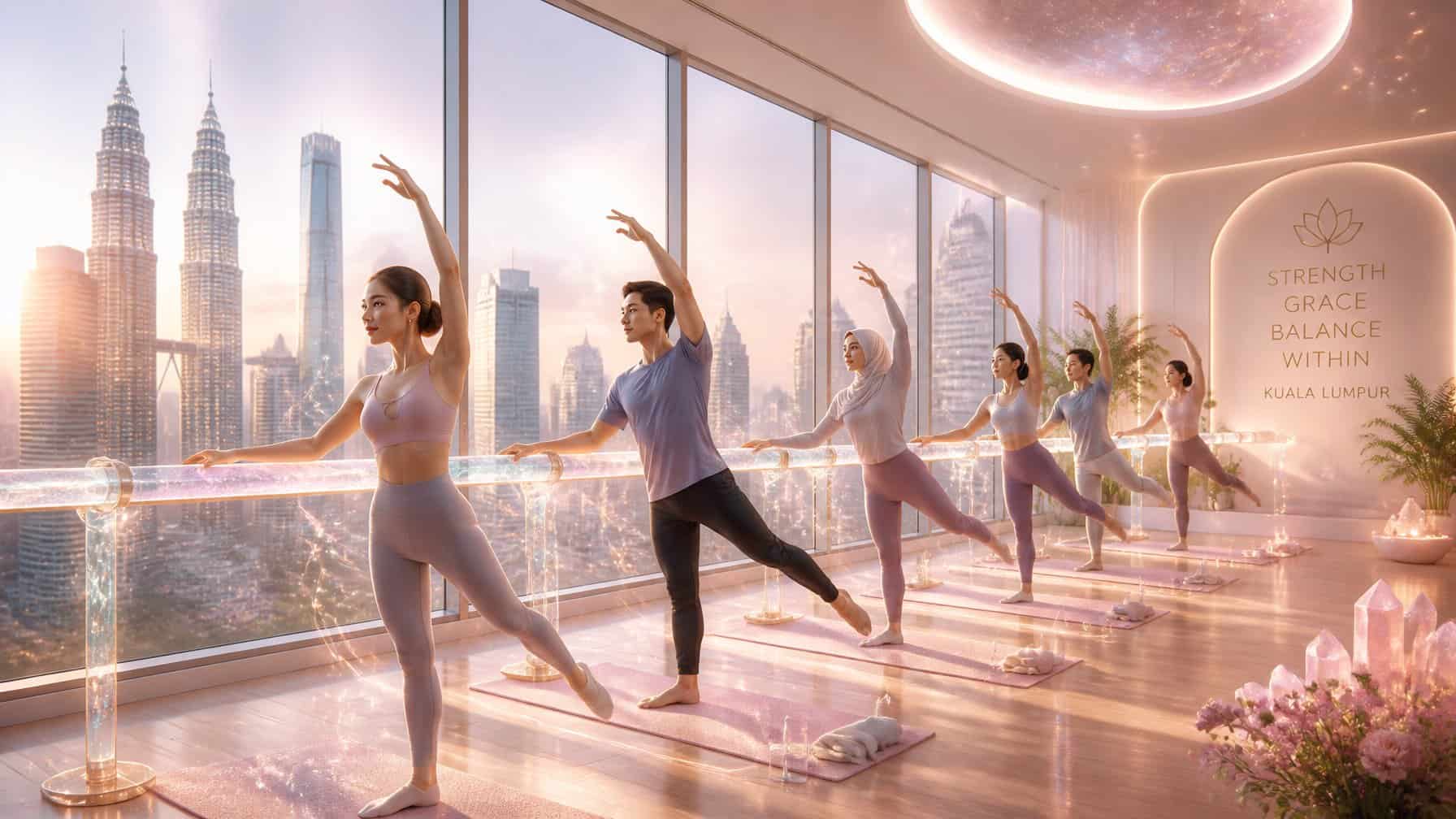
A typical session I attend begins with a short warm-up to mobilise joints and activate core muscles. The main portion often happens at the barre: small pulses, leg lifts, plies, and targeted upper-body work. Repetitions are high, and focus is on controlled form rather than big ranges. Related source: .
Cardio and strength components
Some KL studios mix in short cardio bursts—light jumping or quick sequences on a mat—to keep the heart rate up. Others include small hand weights or resistance bands to build muscular endurance. From my observation, a balanced class includes both stabilising isometrics and dynamic movements.
Cool-down and stretching
Most classes end with a calming cool-down: hamstring or hip stretches, spinal mobility and breathing cues. I found these closing moments effective for recovery and mental clarity, especially after a busy day in KL’s traffic and office culture.
Real benefits I experienced
Physical benefits
After regular classes I noticed better posture, stronger glutes, improved core stability, and more endurance in daily activities like climbing stairs or carrying groceries. Because movements are focused and repetitive, muscle definition often appears without bulk—something many people in my circle appreciate.
Mental and lifestyle benefits
Barre also helped me calm stress and sharpen concentration. The attention to breath and precise alignment feels almost meditative. In KL’s busy life, that short hour became a reliable way to reset mentally while building healthy movement habits. Jujube for sore throat relief
How to choose the right barre class in KL
Studio vibe and location
Location matters in KL—pick a studio you can realistically reach after work or on weekends. I prioritise a place with a friendly vibe and clear hygiene standards. A welcoming reception and tidy changing rooms make consistency easier.
Instructor credentials and class style
I check if instructors have formal barre training, experience with injury modification, and the ability to cue clearly. Some studios emphasise cardio and flow, while others stay classical and controlled—choose what matches your goals.
Trial classes and pricing
Most KL studios offer trial passes or drop-in rates. I recommend trying a few different teachers before committing to a package. Compare class frequency, package flexibility, and any extra perks like physiotherapy partnerships or community events. Web Growth Blog
Practical tips for first-timers and final thoughts
Go in with realistic expectations: you’ll feel muscles you didn’t know you had, and progress is gradual. Wear breathable clothes that allow movement, bring your own mat if required, and arrive a bit early so the instructor can suggest modifications. If you have an injury, tell the instructor—good teachers adapt exercises safely.
In short, “barre class KL” is more than a trend; it’s a practical option for people seeking low-impact strength, better posture, and a focused mind-body session. I’ve found it complements other training styles well, and once I stopped believing the myths, I gained a reliable, enjoyable fitness habit.